SIRVEZONE BLOG
loadshedding and loadshedding schedule
Published 4 May 2023
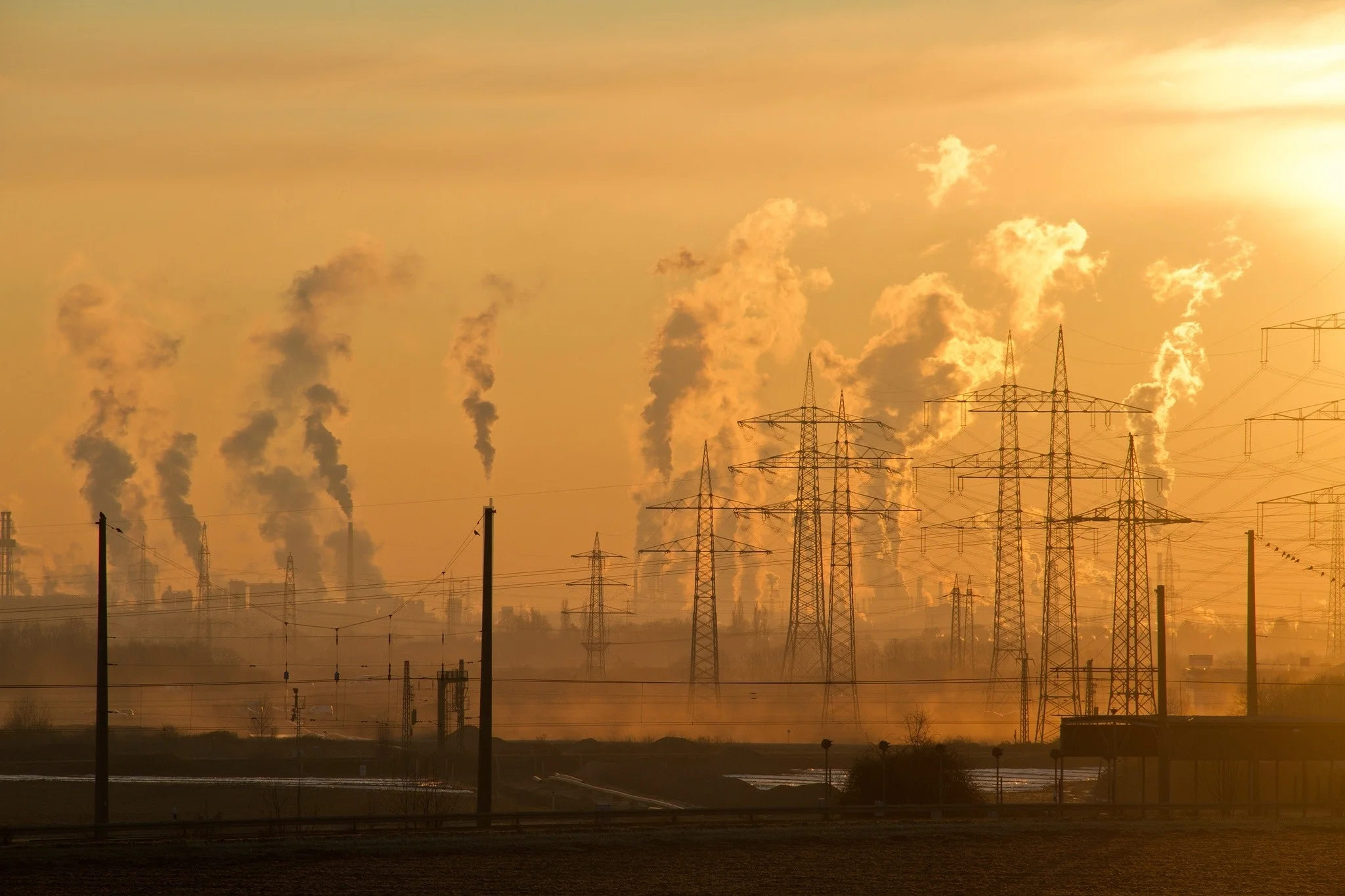
loadshedding and loadshedding schedule
Load shedding is a term used in South Africa to describe the controlled and planned rolling blackouts implemented by the national electricity utility, Eskom, to balance electricity supply and demand during insufficient generation capacity.
Here's an explanation of load shedding in South Africa:
1. Electricity Demand and Supply: South Africa's electricity grid operates on a delicate balance of supply and demand. The electricity demand fluctuates throughout the day, with peak periods occurring in the mornings and evenings when people use electricity for various activities such as cooking, heating, and lighting. As the main power supplier, Eskom generates electricity from multiple sources like coal, nuclear and gas.
2. Generation Capacity Challenges: South Africa has experienced challenges in maintaining adequate electricity generation capacity to meet the growing demand. Factors contributing to this include ageing power infrastructure, insufficient maintenance, delays in new power plant construction, and limited reserve capacity. As a result, Eskom may not be able to generate enough electricity to meet the peak demand, leading to the need for load shedding.
3. Load Shedding Implementation: When the electricity demand surpasses the available supply, Eskom implements load shedding to prevent a complete grid collapse or a total blackout. Load shedding involves systematically turning off power to different areas or regions in a rotating schedule. This means that different areas will experience power outages for a certain duration, typically lasting a few hours at a time.
4. Load Shedding Schedules: Eskom publishes load shedding schedules indicating when and where power cuts will occur. These schedules are based on predefined groups or "stages" determining the severity and extent of load shedding. The schedules are typically communicated through various channels, including online platforms, mobile apps, SMS notifications, and announcements in the media.
5. Impact on Daily Life: Load shedding can significantly impact households, businesses, and the overall economy. During power outages, essential services like hospitals and emergency facilities are prioritized, but homes, businesses, schools, and industries may experience disruptions, affecting lighting, heating, cooking, communication, productivity, and other activities that rely on electricity.
6. Mitigation and Preparedness: To mitigate the effects of load shedding, individuals and businesses often invest in alternative power solutions such as generators, solar panels, or uninterruptible power supply (UPS) systems. It is advisable to have backup power sources, conserve electricity, and plan activities accordingly during loadshedding.
Load shedding is an ongoing challenge in South Africa. Eskom continues to work on improving generation capacity, implementing maintenance programs, and diversifying energy sources to address the underlying issues and reduce the frequency and severity of power outages.
If you want to be up to date with the latest loadshedding schedule, download the EskomSePush mobile app.
Download for Android.
Download for iOS.
Website.
https://sepush.co.za/
https://apps.apple.com/za/app/eskomsepush/id968648379
https://play.google.com/store/apps/details?id=com.ashwhale.sepush.eskom
More from the blog
 Your Futuristic Website Companion!
Published 4 May 2023
Your Futuristic Website Companion!
Published 4 May 2023 5 Common household plumbing problems
Published 4 May 2023
5 Common household plumbing problems
Published 4 May 2023 5 Ways to save on your electricity bill
Published 4 May 2023
5 Ways to save on your electricity bill
Published 4 May 2023 Our Promoter role
Published 4 May 2023
Our Promoter role
Published 4 May 2023 How to keep your Instagram safe
Published 4 May 2023
How to keep your Instagram safe
Published 4 May 2023 The Benefits of Requesting Services Online
Published 4 May 2023
The Benefits of Requesting Services Online
Published 4 May 2023 How to Choose the Right Service Provider
Published 4 May 2023
How to Choose the Right Service Provider
Published 4 May 2023 A Few DIY Home Improvement Projects That Boost Property Value in South Africa
Published 4 May 2023
A Few DIY Home Improvement Projects That Boost Property Value in South Africa
Published 4 May 2023 How to Resolve Disputes with Service Providers
Published 4 May 2023
How to Resolve Disputes with Service Providers
Published 4 May 2023 The Role of Customer Reviews in Online Service Requests
Published 4 May 2023
The Role of Customer Reviews in Online Service Requests
Published 4 May 2023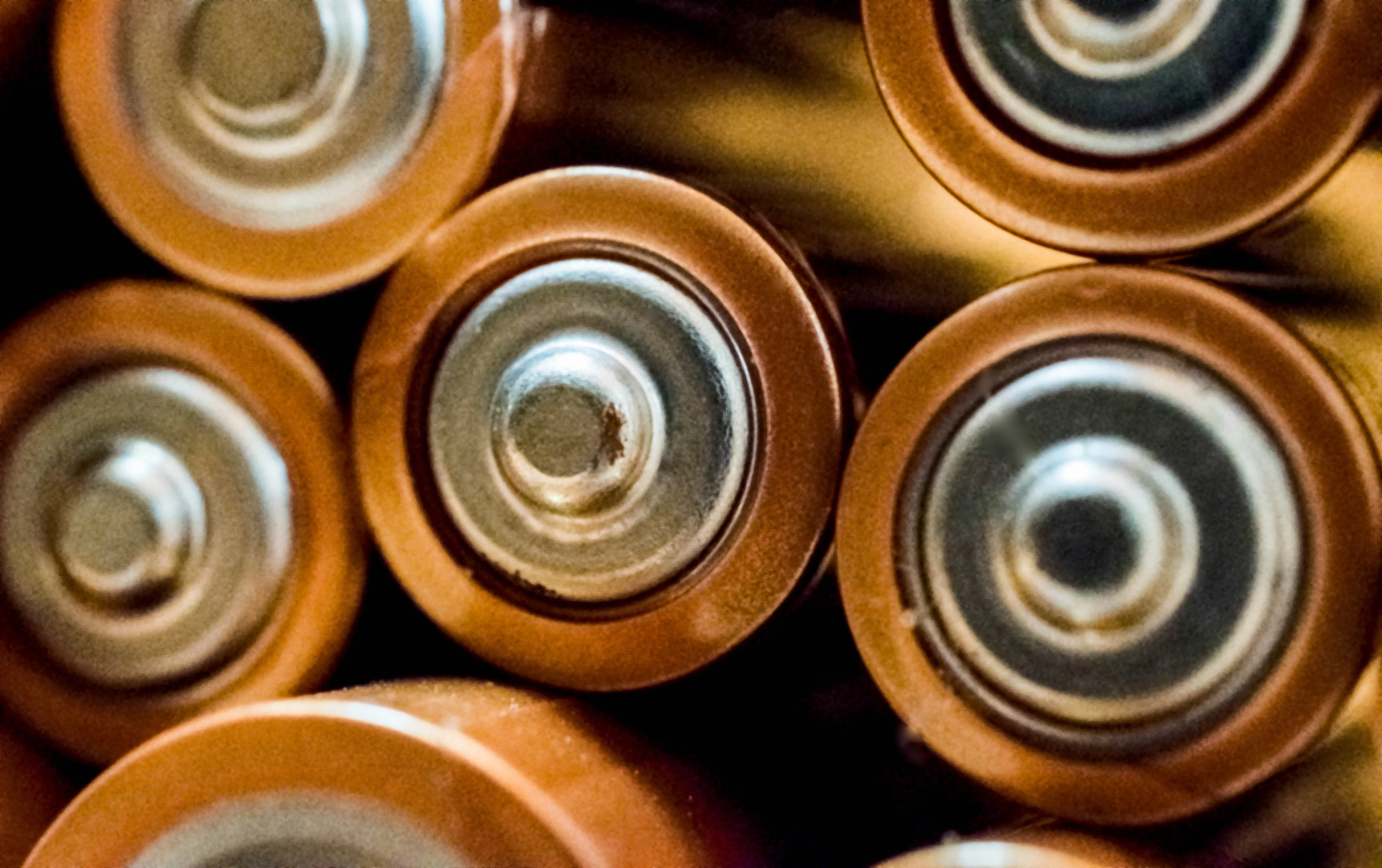 A quick guide to understand the dynamic duo: The inverter and battery.
Published 4 May 2023
A quick guide to understand the dynamic duo: The inverter and battery.
Published 4 May 2023 What is Sirve Zone and how does it work?
Published 4 May 2023
What is Sirve Zone and how does it work?
Published 4 May 2023 Introducing Sirve Zone Water: Convenient, Purified, and Environmentally Friendly
Published 4 May 2023
Introducing Sirve Zone Water: Convenient, Purified, and Environmentally Friendly
Published 4 May 2023 Cracking the Code: How to Get Accurate Service Quotes and Optimize Your Spending
Published 4 May 2023
Cracking the Code: How to Get Accurate Service Quotes and Optimize Your Spending
Published 4 May 2023